

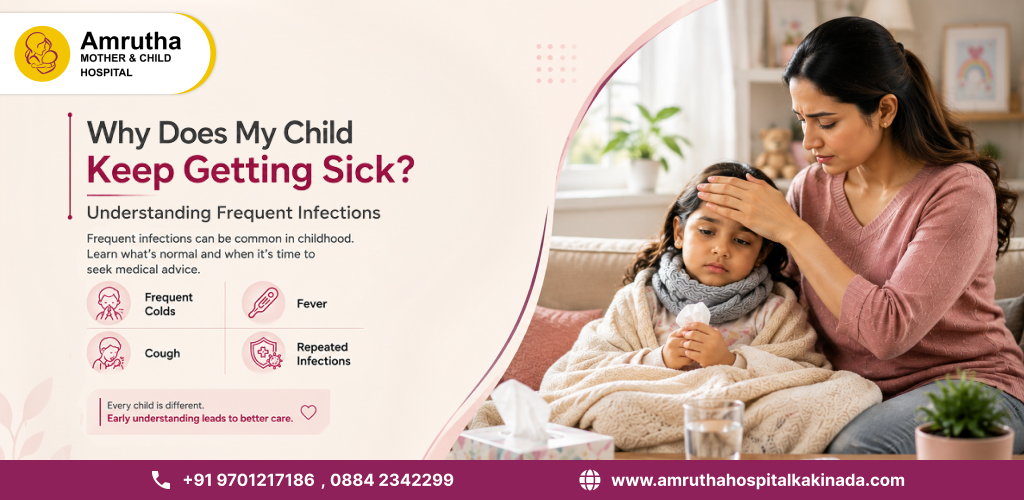
Children can sometimes seem to catch one illness after another, especially during their early years. Colds, coughs, fevers, and other infections are common in childhood because their immune systems are still developing and they are frequently exposed to other children. However, when infections happen very often, last longer than expected, or become unusually severe, parents may naturally become concerned. Understanding the common reasons behind frequent infections in children can help parents know when home care may be enough and when professional medical advice is needed.
Why Do Children Get Infections Frequently?
Children are still building immunity to many common viruses and bacteria. Exposure to school, daycare, playgrounds, and other children can also increase the chances of catching infections.
Common reasons include:
- Developing immune systems
- Frequent contact with other children
- Exposure to common viruses
- Poor hand hygiene
- Seasonal changes
- Lack of adequate sleep
- Exposure to smoke or other irritants
Having several minor infections does not always mean that a child has a weak immune system.
What Are Common Childhood Infections?
Children can experience different types of infections throughout the year. Some are usually mild and improve with proper rest and care.
Common infections include:
- Common cold
- Viral fever
- Sore throat
- Ear infections
- Cough and respiratory infections
- Stomach infections
- Skin infections
Most childhood illnesses are manageable, but parents should monitor their child’s symptoms and overall condition.
How Can You Tell If Your Child Is Getting Sick Too Often?
There is no single number that defines how many infections are too many. The child’s age, environment, overall health, and type of infection all matter.
Parents should pay attention if infections:
- Occur unusually frequently
- Last longer than expected
- Keep returning soon after recovery
- Require repeated medical treatment
- Become increasingly severe
- Interfere with school, sleep, eating, or normal activities
- Affect the child’s growth or development
If you are concerned about a pattern of illness, discussing it with a pediatrician can help determine whether further evaluation is needed.
Signs Parents Should Not Ignore
Most childhood infections improve with time, but certain symptoms require prompt medical attention.
Seek medical advice if your child develops:
- Persistent or very high fever
- Difficulty breathing
- Severe weakness or unusual sleepiness
- Dehydration
- Repeated vomiting
- Poor feeding or loss of appetite
- Unexplained weight loss
- Repeated or severe infections
- Symptoms that are getting worse instead of better
If your child has severe breathing difficulty, becomes difficult to wake, or develops other serious symptoms, seek emergency medical care immediately.
How Can Parents Help Prevent Frequent Infections?
Simple healthy habits can reduce exposure to infections and support your child’s overall well-being.
Parents can encourage children to:
- Wash their hands regularly with soap and water.
- Avoid touching their eyes, nose, and mouth with unwashed hands.
- Eat a balanced diet with fruits, vegetables, proteins, and whole grains.
- Get enough sleep according to their age.
- Stay physically active through age-appropriate activities.
- Keep vaccinations up to date as recommended by their pediatrician.
- Avoid exposure to cigarette smoke.
- Stay home when sick to reduce the spread of infections.
Good hygiene and healthy daily routines can play an important role in protecting children from common illnesses.
Does Frequent Illness Always Mean Weak Immunity?
Not necessarily. Young children may experience several infections as they gradually develop immunity to common germs. Children who attend daycare or school may also be exposed to more infections than children who spend most of their time at home.
What matters is the overall pattern. If your child is recovering normally, growing well, and remaining active between illnesses, frequent minor infections may not indicate a serious problem.
However, frequent infections in children that are severe, unusual, or affecting normal growth and development should be discussed with a pediatrician.
When Should You Consult a Pediatrician?
Parents should consider speaking with a pediatrician if their child repeatedly becomes ill or if infections are affecting everyday life.
A pediatrician can review:
- The child’s medical history
- Previous infections and treatments
- Growth and development
- Eating and sleeping habits
- Vaccination history
- Possible environmental triggers
Based on the child’s symptoms and medical history, the doctor can decide whether any further evaluation is necessary.
Conclusion
It can be worrying when your child seems to get sick repeatedly, but several minor infections can be a normal part of childhood. Maintaining good hygiene, healthy nutrition, adequate sleep, and recommended vaccinations can help support your child’s health.
If frequent infections in children are severe, recurring, or affecting your child’s growth and daily activities, it is important to seek professional medical advice. Consulting a pediatrician can help identify possible causes and provide appropriate guidance. For trusted pediatric care and expert guidance, parents can consult the best hospital in Kakinada for their child’s healthcare needs.