

Neonatal Intensive Care Unit (NICU) Hospital In Kakinada
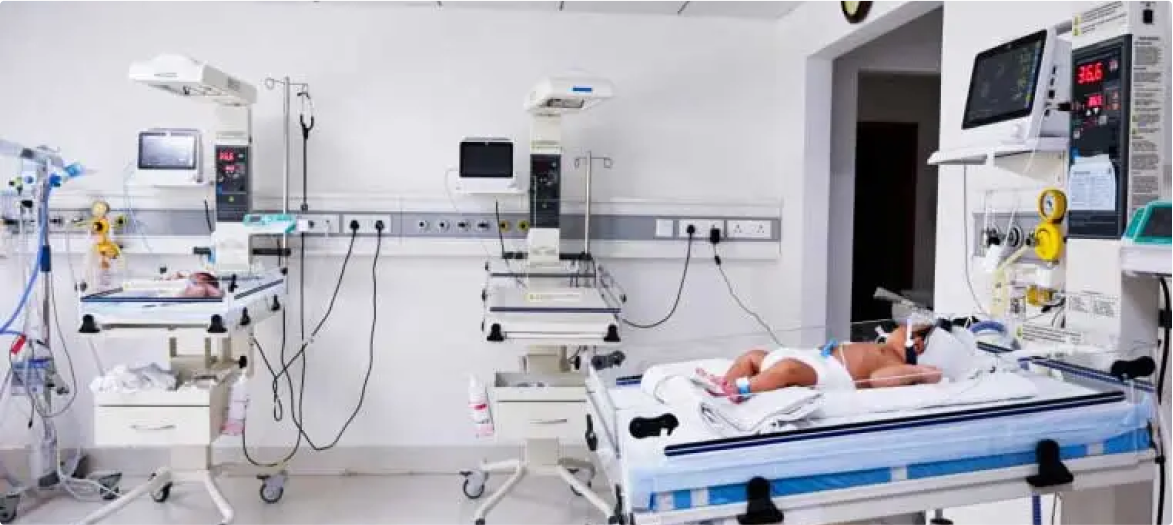
A Neonatal Intensive Care Unit in Kakinada provides advanced medical care for premature and critically ill newborns. This specialized unit delivers round-the-clock monitoring, life-saving interventions, and expert treatments to support newborns during their most delicate stages of life.
Procedures of Neonatal Intensive Care Unit (NICU)
Admission Process
- Assessment: Doctors conduct detailed physical examinations and diagnostic tests as soon as the baby arrives.
- Stabilization: The medical team actively stabilizes the baby’s breathing, heart rate, and body temperature.
- Parental Guidance: Staff explain NICU procedures, equipment, and visitation policies to parents at Neonatal Intensive Care Unit in Kakinada.
Continuous Monitoring
- Vital Signs: Nurses and doctors continuously track heart rate, breathing, oxygen levels, and blood pressure.
- Neurological Monitoring: Specialists monitor brain activity using EEGs when infants face neurological risks.
Respiratory Support
- Oxygen Therapy: Care teams provide supplemental oxygen to babies with breathing difficulties
- Ventilation: For severe respiratory distress, doctors use ventilators or CPAP machines to assist breathing.
Nutritional Support
- Parenteral Nutrition: Premature babies receive nutrients through IV lines until they can tolerate feeds.
- Tube Feeding: Nurses deliver breast milk or formula through feeding tubes when babies cannot feed orally.
Thermal Regulation
- Incubators: Temperature-controlled incubators help maintain a stable body temperature.
- Radiant Warmers: Medical staff use radiant warmers during examinations and procedures.
Medications and Treatments
- Antibiotics: Doctors prescribe antibiotics to treat or prevent infections.
- Specialized Drugs: The team administers medications for jaundice, pulmonary hypertension, and other conditions.
Developmental Care
- Surfactant Therapy: Doctors administer surfactant to improve lung function in premature infants
- Blood Transfusions: The team provides transfusions when babies experience anemia or blood loss.
Specialized Procedures
- Positioning and Handling: Care teams position babies carefully to promote comfort and healthy development.
- Parental Bonding: Parents are encouraged to practice skin-to-skin contact to strengthen bonding and improve recovery.
Infection Control
- Sterile Environment: The NICU follows rigorous infection control protocols..
- Regular Screening: Medical staff regularly check babies for early signs of infection.
Discharge Planning
- Parental Training: Nurses train parents in feeding, medication, and home monitoring techniques.
- Health Follow-Ups: The discharge plan includes pediatric follow-ups and specialist consultations when needed.
Key Considerations in Neonatal Intensive Care Unit (NICU)
Specialized Medical Equipment
Advanced devices like ventilators and incubators are essential for stabilizing and supporting newborns in critical conditions are at the Neonatal Intensive Care Unit in Kakinada.
Expert Medical Team
A team of neonatologists, nurses, and therapists ensures comprehensive and specialized care for each baby’s needs.
Infection Control Measures
Strict hygiene protocols are crucial to protect vulnerable newborns with underdeveloped immune systems from infections.
Parental Involvement
Encouraging activities like skin-to-skin contact and bonding helps improve the emotional well-being and recovery of newborns.
Continuous Monitoring
Round-the-clock tracking of vital signs ensures timely detection and intervention for any complications.
FAQs About Neonatal Intensive Care Unit (NICU)
What is the Neonatal Intensive Care Unit (NICU)?
The Neonatal Intensive Care Unit in Kakinada is a specialized hospital unit designed to care for newborns who are born prematurely or have serious health conditions that require intensive monitoring and treatment.When would my baby need to be admitted to the NICU?
Babies may need NICU care if they are born prematurely, have low birth weight, breathing problems, infections, or require specialized treatments like surgery or temperature regulation.What types of conditions do babies in the NICU have?
Common conditions include prematurity, respiratory distress syndrome (RDS), jaundice, infections, congenital heart problems, and birth defects.How long will my baby stay in the NICU?
The length of stay varies depending on the baby’s condition. Some may stay for only a few days, while others may need care for weeks or even months, depending on their recovery and progress.Can I visit my baby in the NICU?
Yes, most NICUs have open visiting hours, but due to the delicate nature of the care, some restrictions may apply. Parents are typically allowed to visit anytime, but other visitors may have limited access.Can I breastfeed or hold my baby in the NICU?
In many NICUs, parents are encouraged to hold their babies (kangaroo care) and breastfeed, if possible, or pump breast milk. However, this depends on the baby’s condition and medical needs.What kind of monitoring and equipment does the NICU use?
Babies in the NICU may be connected to monitors that track vital signs such as heart rate, oxygen levels, and breathing. They may also use incubators, ventilators, feeding tubes, or IVs for nourishment and medication.How can I support my baby while in the NICU?
You can support your baby by visiting regularly, engaging in skin-to-skin contact, providing breast milk, and being involved in the care process as much as the baby’s condition allows.What should I expect emotionally while my baby is in the NICU?
It’s normal to feel overwhelmed, anxious, or even scared. The NICU team will provide emotional support, and parents should seek help from counselors or support groups if needed.What happens when my baby is discharged from the NICU?
Before discharge, the NICU team will ensure the baby is stable and can breathe, feed, and gain weight on their own. Parents will be given instructions for continued care at home, including follow-up appointments and any ongoing treatments.