
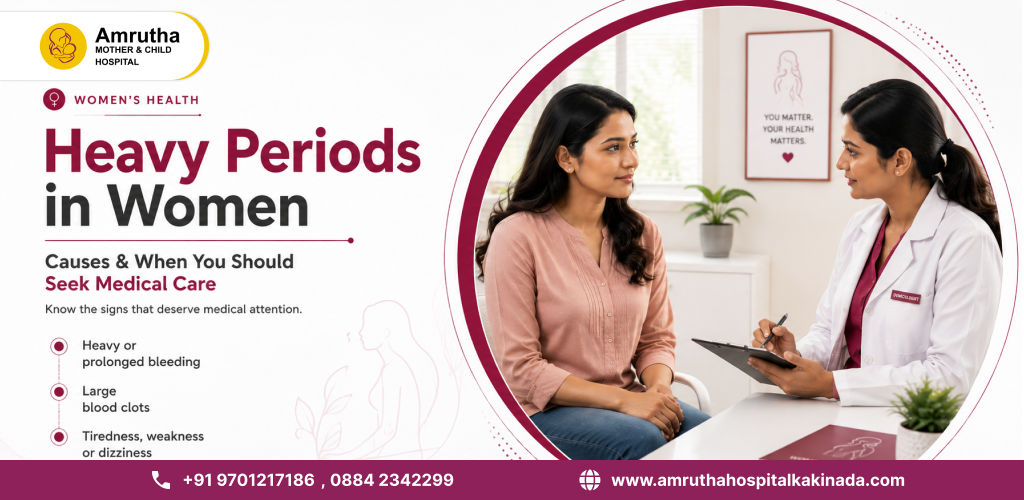
Menstrual bleeding can vary from woman to woman. However, periods that are consistently very heavy, last longer than usual, or interfere with daily activities may require medical attention. Understanding the causes of heavy periods in women can help you recognize when it may be time to consult a gynecologist. Hormonal changes, fibroids, PCOS, thyroid problems, and other conditions can sometimes contribute to heavy menstrual bleeding.
Why Do Heavy Periods Occur?
There are several possible causes of unusually heavy menstrual bleeding.
Common causes include:
- Hormonal imbalances
- Uterine fibroids
- Endometriosis or adenomyosis
- Polycystic ovary syndrome (PCOS)
- Thyroid disorders
- Certain medications
- Bleeding disorders
- Hormonal changes during perimenopause
The exact cause can differ depending on your age, medical history, and other symptoms.
Signs of Heavy Menstrual Bleeding
Some women may become accustomed to heavy periods and assume they are normal. However, certain changes should not be ignored.
Watch for:
- Bleeding that lasts longer than seven days.
- Frequently soaking through sanitary products.
- Passing unusually large blood clots.
- Needing to change sanitary products during the night.
- Feeling weak or unusually tired during periods.
- Menstrual bleeding affects work or daily activities.
Persistent heavy periods in women should be evaluated by a qualified gynecologist.
How Can Heavy Periods Affect Your Health?
Excessive menstrual bleeding can sometimes lead to iron deficiency and anaemia because the body loses more blood than it can replace.
Possible symptoms include:
- Tiredness
- Weakness
- Dizziness
- Headaches
- Pale skin
- Shortness of breath
If these symptoms occur with heavy menstrual bleeding, medical evaluation is recommended.
When Should You Seek Medical Care?
You should consider visiting a gynecologist when your menstrual bleeding becomes consistently heavier than your usual pattern.
Seek medical advice if you experience:
- Sudden changes in menstrual flow.
- Very heavy or prolonged bleeding.
- Severe pelvic or abdominal pain.
- Bleeding between periods.
- Bleeding after sexual intercourse.
- Dizziness or extreme weakness.
- Symptoms that may indicate anaemia.
Sudden, extremely heavy bleeding with fainting or severe weakness requires prompt medical attention.
How Is Heavy Menstrual Bleeding Diagnosed?
A gynecologist may ask about your menstrual cycle, medical history, medications, and other symptoms.
Depending on your condition, the evaluation may include:
- Physical examination
- Blood tests
- Hormonal testing
- Thyroid testing
- Pelvic ultrasound
- Other diagnostic tests when required
Identifying the underlying cause helps your doctor choose suitable treatment.
How Can Heavy Periods Be Managed?
Treatment depends on the cause and severity of the bleeding.
Your doctor may recommend:
- Medicines to reduce bleeding.
- Hormonal treatment when appropriate.
- Iron supplements if deficiency is identified.
- Treatment for underlying conditions.
- Procedures or surgery in selected cases.
Do not take hormonal medicines or supplements without medical advice.
Why Choose Gynecology Care at a Hospital in Kakinada?
Women may need gynecological care at different stages of life, from menstrual concerns and hormonal conditions to pregnancy and menopause. Choosing a best Gynecology hospital in Kakinada with dedicated services can help women receive appropriate evaluation and treatment.
Amrutha Mother and Child Hospital provides gynecology care for women at different stages, along with obstetrics and other women’s health services.
Conclusion
Menstrual flow can naturally differ between women, but consistently heavy or prolonged bleeding should not be ignored. Paying attention to changes in your cycle can help you seek medical advice at the right time. If heavy periods in women are affecting your daily activities or are accompanied by pain, weakness, dizziness, or unusual bleeding, consult a gynecologist for proper evaluation. For women’s healthcare, choosing the best Gynecology hospital in Kakinada with specialized services can help you receive personalized medical guidance.